
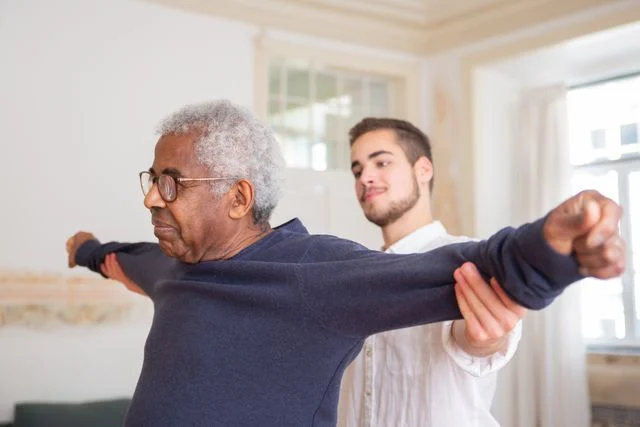
Physical activity and familiar routines can play an important role in supporting the well-being of individuals living with dementia. Sports can be especially meaningful because they often connect to long-held memories, favorite pastimes, and personal interests. Even when short-term memory changes are present, many people continue to respond positively to familiar movements, team traditions, and favorite sporting events. Incorporating sports into a memory care program can support physical wellness, social connection, and a stronger sense of purpose.
Understanding the Connection Between Sports and Memory
Sports often involve skills and experiences that have been repeated over many years. A resident who spent decades playing golf, bowling, baseball, or tennis may still enjoy aspects of those activities later in life. Familiar movements and routines can feel comfortable and recognizable, creating opportunities for engagement and enjoyment.
Sports can also spark meaningful memories. Seeing a baseball glove, hearing a familiar fight song, or watching a favorite team play may encourage conversation and reminiscence. These experiences can help residents reconnect with important parts of their personal history while fostering positive emotions and social interaction.
Understanding a resident’s hobbies, interests, and favorite teams can help community team members create programs that feel personal and meaningful.
Choosing Appropriate Sports and Physical Activities
Not every sport is suitable for every resident, so it is important to select activities that match individual abilities and preferences. The goal is to encourage participation, enjoyment, and movement while creating a comfortable experience.
Many memory care communities successfully incorporate activities such as:
- Chair volleyball
- Bocce ball
- Bean bag toss games
- Putting practice
- Walking groups
- Gentle stretching
- Balloon tennis
- Soft-ball throwing games
These activities encourage movement without placing unnecessary strain on residents. They can often be modified to accommodate different mobility levels and support participation across a wide range of abilities.
For families exploring GLOW® Memory Care in Luling, CA, individualized programming can help ensure activities align with each resident’s interests, abilities, and comfort level.
Adapting Sports for Success
The most successful memory care programs focus on enjoyment rather than competition. Simplifying rules, using lightweight equipment, and creating a supportive atmosphere can help residents feel comfortable participating.
For example, a basketball activity might use a lower hoop and a soft foam ball. Bowling can be adapted with lightweight pins and balls. Putting activities can take place on a simple indoor course with larger targets.
Community team members can provide clear instructions and gentle encouragement throughout each activity. Breaking tasks into simple steps and keeping group sizes manageable can help residents stay engaged without feeling overwhelmed.
Creating positive experiences is often far more important than keeping score or following traditional game rules.
The Benefits of Watching Sports
Participating in sports is not the only way residents can benefit from them. Watching sporting events can also create opportunities for connection and engagement.
Many residents enjoy gathering with neighbors to watch professional, college, or local sporting events. These shared experiences can encourage conversation, laughter, and camaraderie. Watching a favorite team may also prompt residents to share stories and memories from earlier stages of life.
Communities can further enhance these experiences by incorporating:
- Team-themed events
- Sports trivia games
- Discussions about favorite athletes
- Historic game highlights
- Sports memorabilia displays
These activities help create familiar and enjoyable experiences that encourage interaction and reminiscence.
Encouraging Social Connection Through Sports
Sports naturally bring people together. Whether residents are participating in a game or cheering for a favorite team, sports-related programs create opportunities for social interaction and relationship building.
Shared experiences can help residents:
- Build friendships
- Strengthen community connections
- Increase engagement in daily life
- Develop a sense of belonging
- Enjoy meaningful conversations
For residents living with dementia, these connections can contribute significantly to overall quality of life and emotional well-being.
Involving Families in Sports Programs
Families can be valuable partners when incorporating sports into memory care programming. They often know which activities, teams, and sporting traditions have been most meaningful throughout a loved one’s life.
Sharing this information helps community team members personalize experiences and identify activities that may resonate with a resident. Family members can also participate in sports-themed events, watch games together, or join recreational programs when appropriate.
These shared experiences can create enjoyable moments for everyone involved while strengthening family connections.
Conclusion
Incorporating sports into memory care is about much more than physical activity. Sports can encourage social connection, support emotional well-being, inspire meaningful memories, and provide opportunities for enjoyment. Whether residents are participating in a modified game, practicing a favorite skill, or gathering to watch a beloved team, sports can serve as a valuable tool for engagement and connection.
By focusing on individual interests, adapting activities appropriately, and creating supportive experiences, memory care communities can use sports to help residents living with dementia experience meaningful moments of joy, comfort, and belonging.