
Storm Damage on Your Roof: How to Assess Whether Emergency Repair or Full Replacement Protects Your Home

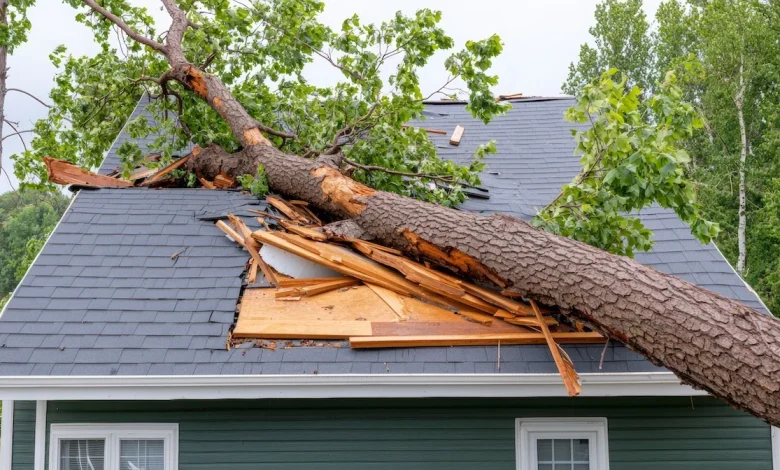
Storm damage does not arrive with a neatly labeled repair bill. When water is finding its way through your ceiling, the immediate pressure is to stop it. But the decision a homeowner makes in the first 24 to 48 hours, whether to patch or replace, has financial consequences that run months and sometimes years forward.
This guide walks through the structural and practical factors that determine whether emergency roof repair is the right call or whether a full replacement is the more cost-effective path. When searching for emergency roof repair near me, homeowners should consider more than how quickly a contractor can respond. Neither answer is automatically correct. The right one depends on five measurable variables.
Variable 1: The Condition of the Roof Deck
The roof deck is the plywood or OSB board that sits beneath your shingles and underlayment. It is the structural surface everything else fastens to.
When a storm breach is fresh and isolated, the deck is usually dry or barely damp. A crew can seal the breach at the surface, replace the damaged shingles, and re-flash the affected section. The deck holds. The repair holds.
When water has sat on the deck for 24 hours or more, the equation changes. OSB absorbs moisture quickly. Once it swells or delaminates, it loses the structural integrity that holds fasteners in place. Shingles nailed into a compromised deck pull free faster than the same shingles over sound material. At that point, the emergency patch is not a solution. It is a delay.
A licensed inspector checks deck condition before quoting any repair. If the deck shows soft spots, bounce, or visible delamination, those sections need replacement before new shingles go on.
Variable 2: The Age of the Existing Roof
Asphalt shingles carry a rated service life. Three-tab shingles typically perform for 20 to 25 years. Architectural shingles perform for 25 to 30 years, sometimes longer in moderate climates. Those figures assume proper installation, adequate ventilation, and no catastrophic storm events.
A roof at 80 percent of its rated life that takes storm damage is a different repair conversation than a roof at 30 percent. The older roof has fewer years of serviceable life left to recover the cost of a repair. It is also statistically closer to its next failure point.
The useful framing: if the repair cost represents more than 50 percent of the cost of a full replacement, and the roof is in the final third of its rated life, replacement is usually the more cost-effective decision. You pay once for new materials and new labor rather than repair costs that compound as the roof continues to age.
Variable 3: The Scope of the Damaged Area
Emergency roof repair addresses a defined breach: a section of missing shingles, a failed flashing joint, a puncture from a fallen branch. When the damage is contained to a section smaller than roughly one roofing square (100 square feet), repair is almost always the correct first step.
When the damage covers multiple sections, or when the inspection reveals granule loss across the full roof surface, the picture shifts. Widespread granule loss means the shingles are past their protective capacity even in areas the storm did not directly hit. Repairing one section while leaving degraded shingles in place means the next failure point is already exposed.
A thorough post-storm inspection documents the full damage scope, not only the section with the visible breach. That documentation also matters for insurance purposes.
Variable 4: Flashing Integrity Across the Roof
Flashing is the metal material installed at roof penetrations, valleys, and transitions: around chimneys, skylights, vents, and dormers. It is the most common failure point on older roofs because it is exposed to expansion and contraction cycles that separate seals over time.
Emergency repairs that address a shingle section without checking the adjacent flashing often miss the actual water entry point. The shingles are sealed. The water comes back through the same chimney flashing that was already failing before the storm.
A thorough emergency inspection includes every flashing joint in and around the damaged section. If the flashing is corroded, lifted, or mechanically separated, it needs re-sealing or replacement as part of the same job.
Variable 5: What the Insurance Claim Covers
Homeowner’s insurance policies cover sudden and accidental damage from named perils: wind, hail, falling objects. They do not cover wear and gradual deterioration. The distinction matters when a homeowner is deciding between repair and replacement.
If the inspection documents a storm event as the cause of the damage and the damage is verifiable (consistent hail strikes across shingles, gutters, and other surfaces), the claim may cover a full replacement. Some policies cover actual cash value (depreciated); others cover replacement cost value (the full cost of installing equivalent new materials). The policy type significantly affects the out-of-pocket portion.
Before settling on a repair, review the policy terms and get the inspection report in writing. A written assessment that documents damage scope, deck condition, and cause of loss gives you the information the claims process requires.
How the Two Decisions Play Out in Cost
Emergency roof repair stops active water intrusion and protects the structure while the homeowner gathers information. That is its function. It is appropriate when the deck is sound, the damage is isolated, the roof has significant life remaining, and the flashing is intact.
Full replacement is appropriate when the deck is compromised, the damage is widespread, the roof is approaching the end of its rated life, or the inspection reveals systemic failures across the roof surface. In those cases, a repair extends the problem rather than solving it.
The homeowner who chooses repair on a roof that needed replacement typically faces the same inspection conversation again within 12 to 36 months. The homeowner who chooses replacement when a repair would have held overpays for a service the roof did not yet need.
The decision point is the inspection report, not the initial damage assessment from the ground.
Getting the Assessment Right
The quality of this decision depends on the quality of the inspection. A thorough inspection checks the breach, the deck beneath it, the flashing at every penetration in the damaged zone, the granule condition across the full roof surface, and the structural performance of the ridge and valleys.
That assessment, documented in writing with photographs, gives a homeowner what they need to make the repair-versus-replace decision with accurate information rather than under time pressure.
NMC Exteriors / Apple Roofing conducts emergency roof inspections for storm damage, hail impacts, and active leaks across Plymouth and the Minneapolis West Metro. The crew documents findings in writing, installs temporary protection where needed, and provides a clear assessment of whether emergency roof repair addresses the damage or whether the structure calls for a full replacement.
View Your Trusted Roofing Experts in Plymouth in a full screen map
Media Contact:
Company Name: NMC Exteriors / Apple Roofing
Phone: (763) 325-1439
Address: 14505 21st Ave N Suite 226
City: Plymouth
State: MN
ZIP Code: 55447
Country: United States
Website: https://appleroof.com/plymouth-mn/
Social Media:
https://www.facebook.com/appleroofing
https://www.linkedin.com/company/apple-roofing-llc/


