
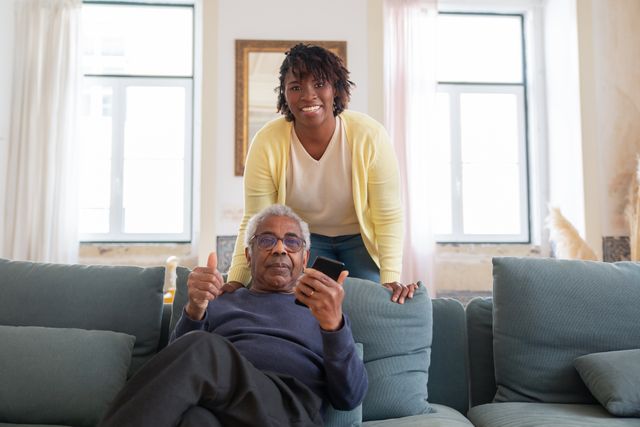
Social engagement is one of the most important factors influencing health and quality of life for older adults. Meaningful relationships and regular interaction with others contribute to emotional well-being, cognitive function, and physical health. As people age, maintaining these connections can become more challenging due to retirement, relocation, the loss of friends or family members, or changes in mobility. Because of this, creating opportunities for social engagement becomes an essential part of supporting healthy aging.
How Social Isolation Affects Older Adults
Social isolation is a significant concern for many older adults and can affect much more than emotional well-being. Limited social interaction may contribute to feelings of loneliness, reduced motivation, and a decreased sense of purpose. Over time, isolation can also impact physical health and cognitive wellness.
Many older adults experience changes that naturally reduce daily social opportunities, including retirement, relocation, or the loss of a spouse or close friends. Without regular opportunities for connection, it can become increasingly difficult to maintain meaningful relationships. Recognizing the importance of social engagement is often the first step toward supporting a healthier and more fulfilling lifestyle.
The Connection Between Social Engagement and Cognitive Wellness
Staying socially connected provides valuable opportunities for mental stimulation. Conversations, group discussions, games, educational programs, and shared experiences encourage older adults to engage their memory, communication skills, and critical thinking abilities.
Regular interaction with others helps keep the mind active and engaged. Whether participating in a book club, attending a community presentation, or simply sharing a meal with friends, these experiences provide meaningful opportunities to stay mentally involved.
Social engagement also supports a sense of purpose and belonging, which can positively influence overall well-being. Older adults who maintain strong social connections often report greater satisfaction with their daily lives and a stronger sense of community.
Physical Health Benefits of Social Connection
Social engagement can also support physical wellness in several ways. Older adults who participate in community programs and group events are often more likely to remain physically involved in their daily routines. Activities such as walking groups, fitness classes, wellness programs, and community outings encourage regular movement and participation.
Shared routines and social connections can also promote healthy habits. Dining with others, attending scheduled programs, and maintaining regular social interactions may encourage consistency and structure throughout the day.
In addition, having a network of friends and community connections often provides encouragement and support, helping residents stay engaged with opportunities that contribute to overall well-being.
How Senior Living Communities Encourage Social Engagement
Senior living communities are uniquely positioned to support meaningful social connection. Many communities offer a variety of life enrichment programs, events, educational opportunities, wellness classes, and social gatherings designed to bring residents together.
Activities may include:
- Arts and creative workshops
- Fitness and wellness classes
- Book clubs and discussion groups
- Gardening programs
- Educational presentations
- Volunteer opportunities
- Entertainment and special events
- Group outings within the local area
Beyond organized programs, community living naturally creates opportunities for informal interaction. Shared dining areas, community lounges, outdoor courtyards, and gathering spaces encourage residents to spend time together and build friendships organically.
Community team members also play an important role by helping residents become involved in programs that align with their interests and encouraging participation when appropriate.
For families exploring Assisted Living in Alexandria, IA, communities that prioritize social engagement can help residents maintain meaningful relationships while benefiting from a supportive and welcoming environment. As support needs evolve, consistent social connections can help preserve a sense of familiarity, belonging, and overall well-being.
The Importance of Family and Intergenerational Relationships
Family relationships remain an important source of connection throughout life. Regular visits, phone calls, video chats, and shared experiences can contribute significantly to an older adult’s emotional wellness and sense of belonging.
Many communities also create opportunities for intergenerational engagement through partnerships with schools, volunteer organizations, and local community groups. These experiences allow residents to share their knowledge, life experiences, and perspectives while building meaningful relationships with younger generations.
Intergenerational connections often create rewarding experiences for everyone involved and can strengthen a resident’s sense of purpose and connection to the broader community.
Creating a Sense of Belonging
One of the greatest benefits of social engagement is the sense of belonging it creates. Feeling connected to others helps residents develop friendships, share experiences, and participate more fully in community life. A welcoming environment where residents feel recognized, respected, and valued can have a significant impact on overall quality of life.
Communities that foster inclusion and encourage participation help create opportunities for residents to remain engaged in ways that align with their interests and preferences. These connections often contribute to greater confidence, emotional well-being, and overall satisfaction.
Conclusion
Social engagement is a fundamental part of healthy aging and plays an important role in emotional, cognitive, and physical well-being. Meaningful relationships, regular interaction, and opportunities to participate in community life help older adults maintain a sense of purpose, connection, and fulfillment.
Through life enrichment programs, social gatherings, family involvement, and community connections, senior living communities can provide valuable opportunities for engagement that support overall quality of life. By prioritizing meaningful social interaction, older adults can continue building relationships, exploring interests, and enjoying a strong sense of belonging throughout their senior living journey.